

You Are Not A Brand, So Get Over Yourself!
AND....Don't Flatter Yourself!

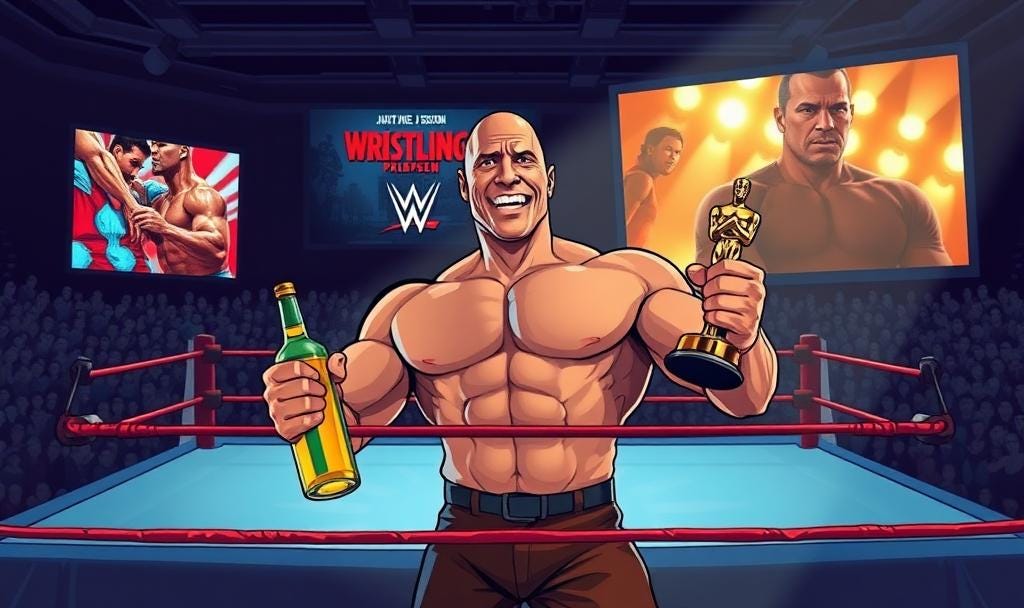
Why Normal People Are Not Brands: The Damaging Thought Process in 4 Ways
In an age where social media reigns supreme, the line between personal identity, professional branding, and fantasy has blurred. We’ve been bombarded with the idea that everyone should market themselves as a brand. The truth is…99% of us workers are wage slaves…and the other 1% are delusional.
Typically, One Person Can’t Be A Brand
Yes, the following celebrities are walking, one-person corporations:
* The Rock
* Rihanna
* Kim Kardashian
* Oprah Winfrey
* Lebron James
They each have multiple AMAZINGLY successful businesses in more than 1 industry, where hundreds (if not thousands) of workers are paid a living wage based on their cult of personality.
The Rock: A Quick Case Study
Dwayne The Rock Johnson might just be the most famous person in the world. Not only has The Rock found success in WWE, college football, acting, and producing, but he is also a successful entrepreneur.
Johnson has founded Teremana Tequila, a popular tequila brand; the UFL, a springtime, b-level football league; ZOA Energy, an energy drink company; Project Rock, an Under Armor brand of fitness apparel; Papatui, an exclusive men’s care brand for Target; and Seven Bucks Productions, a film and TV studio that creates content for multiple distribution platforms.
Not to mention, whenever Johnson signs onto a new film project, thousands of workers become gainfully employed.
Thus, The Rock is a one-person corporation — and very much a walking brand!
But I Heard On A Ted Talk Everybody Is Their Own Brand!!!

Contrast The Rock to you…and your “brand”…which consists of:
* Your Sorry LinkedIn Page — Full of embellished, yet inconsequential “accomplishments”, complete with professional pictures of you 5 years younger and 15 pounds lighter, with your former colleagues lying about the scope of your business acumen in exchange for backing up their exaggerations on their pages.
* Your Ignored Company Website — Yay, you have a digital storefront with a cute logo, great color scheme, flash media, and an eye-catching layout. Too bad you get no traffic, are on the 6th page of Google’s search engine rankings, and display fake testimonials from your BFF touting your products that nobody buys.
* Your Negligible Social Media Presence — Wow, you have 2,000 followers across 5 social media platforms! Unfortunately, half of those 2,000 are your same friends from other platforms, with another quarter being bots you bought, and another quarter of anonymous people you acquired by accepting every friend request and befriending everyone you ever went to school with — even your past bullies!

Here Are 4 REALITY CHECKS to Illuminate Why You Are Not A Brand…
1. Brands Don’t Take Sick Days
Coca Cola, NBC, and Netflix never take a day off for illness, a sick spouse, or a child’s recital. These are 24/7, global conglomerate businesses that weather global WARS! Can you promise that you will always deliver for your followers during your next depression, job loss, or health scare?
2. Brands Have Hired Help
Rihanna is not on social media all day promoting her Fenty beauty line; her well-funded marketing team is. On the other hand, you can’t even hire a part-time social media assistant to pepper your anemic and indifferent following with content, lest they forget you exist.

3. Brands Are Impersonal
Brands craft polished images, complete with carefully curated aesthetics, and marketing strategies designed and tested to sell products. Normal people are messy, complex, and real. Trying to fit yourself into a brand mold can lead to inauthenticity, where you prioritize image over genuine expression and connection.
4. Brands Rarely Change. You Do.
Once a brand stumbles on a problem they can solve for their target customer, they rarely deviate, lest they lose their revenue stream from their devotees. While the NFL will always be an American football league, will you remain the same as you age, experience new things, or if you find God?

Conclusion — Don’t Neuter Your Biggest Competitive Advantage!
Why do some people intentionally decide to connect with small businesses, niche products, or internet influencers over established, more convenient, cheaper, and often better crafted products from catchy Fortune 500 marketing campaigns?
Some people are early adopters, who are always looking for the next fad and love discovering the next trend first.
Others are tired of doing business with impersonal multinational corporations that look down on their values.
Many consumers want to connect with a real, live person they can identify with and trust!
Sadly, despite the omnipresent online and telecommunications activities readily available, many people are lonelier than ever.
Thus, if you can create a community based on a product or service that derives from your authentic self — you can not only be profitable and self-sustaining — but you can genuinely help people who are walking in the shoes of your former self!
Forget industry trends. By the time your lame ass discovers them, the market is saturated, and is already looking for the next hot commodity. Create trends instead!
Ignore narcissistic think pieces that play on your egotistical fantasies that put your “brand” on the same level of a world famous celebrity or corporation.
Stop comparing yourself to brands that take hundreds or thousands of people to run — and which thousands of livelihoods depend on.
Sure, the idea of you being a brand is fun and makes you feel important for a brief moment, but such delusion is not good for your mental health or for maintaining authenticity with your audience.
It’s simply not good for your mental health, as you are setting yourself up for a big fall by believing false hype.
The world doesn’t need another Coca Cola, NFL, or Kim Kardashian brand.
It needs you…in all your eccentric, imperfect, and evolving ways…to solve the problems for the forgotten people (or niche) that only someone who walked in their shoes…can relate to and help!

References and Sources
Feel free to click on any of the hyperlinks included in this article to further research or read up on the referenced content that contributed this article.
Want more?
For more great business, entrepreneurial, and career content, please visit Champion U Consulting.
Consider becoming a free or paid subscriber to get content straight to your inbox!
Sharing this article helps this blog grow!!
————
—
Lean into your eccentricities.
Embrace your imperfections.
Promote your evolution.
The world needs more authenticity.
Ignore soulless advice that ridiculously claims you are a brand.
Brands are hallow figments of the imagination of a pricey marketing team.
You are ever-changing, growing, and nuanced.
You can’t be contained by the artificial confines of being a
versus what some soul-less thinktank f
This is a void you can fill for your followers - by just leaning into what makes you different from your competitors and standout from the cookie-cutter industry clutter…
Lean into your eccentricities
In fact, you are delusional and need a 30-day social media fast and a reality check!
But here's the harsh truth: normal people are not brands. Embracing this misguided notion can be damaging in several ways. Let’s dive into why this mindset is toxic and explore four critical consequences.
1. Authenticity Takes a Hit
The Brand Illusion
When you start seeing yourself as a brand, authenticity often goes out the window. Brands craft polished images, carefully curated aesthetics, and marketing strategies. Normal people, however, are messy, complex, and real. Trying to fit yourself into a brand mold can lead to inauthenticity, where you prioritize image over genuine expression.
The Damage
This pressure to perform creates a façade. Instead of sharing your true thoughts, feelings, and experiences, you may curate a version of yourself that’s more palatable for social media. Over time, this can erode self-esteem and lead to feelings of inadequacy when the curated lives of others seem more appealing.
2. Mental Health Strain
The Comparison Trap
Viewing yourself as a brand fosters a constant cycle of comparison. You start measuring your worth against likes, follows, and engagement. Instead of celebrating your individuality, you find yourself trapped in a perpetual state of competition.
The Damage
This leads to anxiety, depression, and burnout. The pressure to maintain a brand-like persona can be overwhelming, resulting in a mental health crisis. Rather than focusing on personal growth and happiness, you become fixated on metrics that have little to do with your true self.
3. Relationships Become Transactional
The Networking Mindset
When you think of yourself as a brand, every interaction becomes strategic. Instead of building genuine connections, you may start approaching relationships with an agenda—what can this person do for my brand? This transactional mindset diminishes the value of authentic relationships.
The Damage
Real connections are built on trust, vulnerability, and mutual understanding. When you treat relationships like business deals, you miss out on the richness of human interaction. This can lead to isolation and a lack of support when you need it most.
4. Creativity Suffers
Conformity Over Originality
Branding emphasizes consistency and conformity. When you’re busy trying to fit into a brand narrative, you stifle your creativity. The pressure to produce content that aligns with your “brand” can prevent you from exploring new ideas or expressing your true self.
The Damage
This creative stagnation can lead to a lack of innovation and personal growth. Instead of experimenting and evolving, you become a one-dimensional caricature of yourself. The world doesn’t need more brands; it needs authentic voices and unique perspectives.
Conclusion
Normal people are not brands, and subscribing to this damaging mindset can have far-reaching consequences. From the erosion of authenticity to strained mental health, transactional relationships, and stifled creativity, the pitfalls are real. Embrace your individuality, celebrate your messiness, and reject the notion that you need to fit into a brand mold. The world needs real people, not just polished personas. Step away from the branding mentality and focus on being your authentic self—because that’s where true value lies.
Thinking of themselves as brands rather than ordinary corporate workers can lead to several negative consequences for 9-to-5 employees. Here are four significant drawbacks:
1. Increased Pressure and Stress
When employees view themselves as brands, they may feel constant pressure to maintain a polished image. This can lead to:
Burnout: The need to always be “on” creates stress and exhaustion, as they strive for perfection and constant visibility.
Anxiety: Concerns about how they are perceived by colleagues and superiors can lead to heightened anxiety, impacting their overall well-being.
2. Erosion of Authenticity
Branding often requires a curated persona that may not reflect an individual's true self. This can result in:
Inauthentic Interactions: Employees may feel compelled to present a façade, leading to superficial relationships with colleagues.
Identity Confusion: Over time, they may struggle to separate their true identity from their branded persona, resulting in a loss of self-awareness and personal fulfillment.
3. Transactional Relationships
Viewing oneself as a brand can shift the focus of workplace interactions from collaboration to self-interest. This causes:
Networking Mindset: Employees may prioritize relationships based on what others can do for their "brand," rather than fostering genuine connections.
Isolation: This transactional view can lead to a lack of meaningful support and camaraderie among colleagues, resulting in feelings of isolation.
4. Stifled Creativity and Innovation
The pressure to conform to a brand image can hinder creativity. Employees may experience:
Fear of Failure: Concern about damaging their brand can lead to hesitation in taking risks or exploring new ideas.
Conformity: Employees might stick to safer, more conventional approaches instead of pushing boundaries, ultimately stifling innovation and personal growth.
Conclusion
While personal branding can have its benefits, adopting this mindset in a corporate setting can lead to increased stress, a loss of authenticity, transactional relationships, and hindered creativity. Employees should focus on being genuine and collaborative, fostering a healthy work environment that values individual contributions without the constraints of branding.